
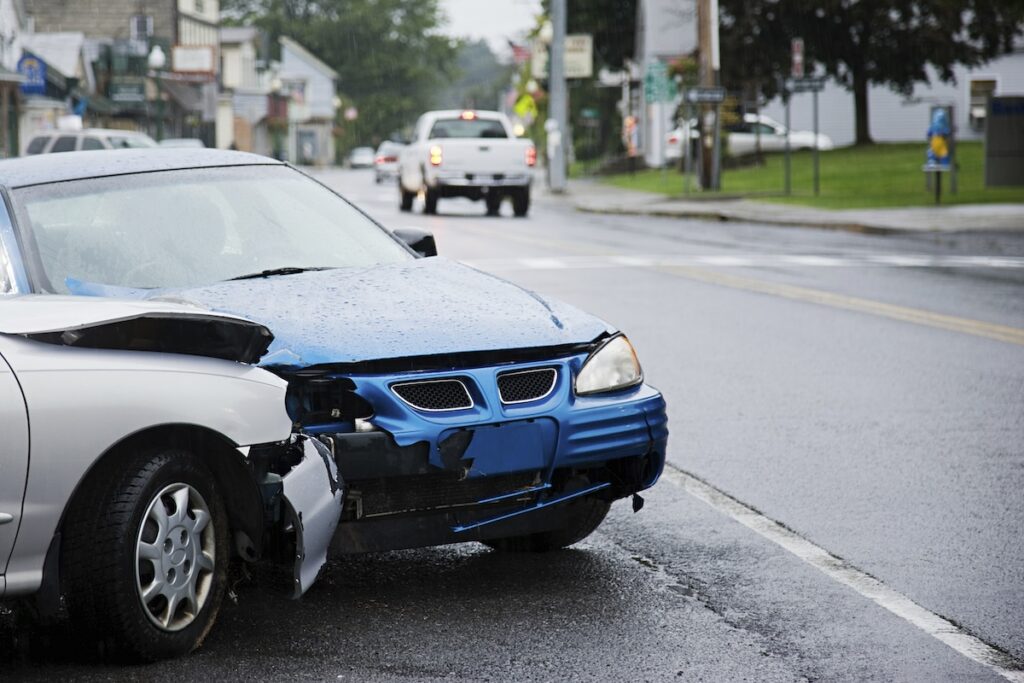
1. Check of Injuries Immediately
Adrenaline can mask pain. Injuries like concussions, whiplash, and soft tissue damage often don’t show symptoms for hours, sometimes longer. Getting checked out right away isn’t just about your health; it also creates a medical record tying your injury to the accident, which matters if you need to prove what happened later.
2. Call the Police:
A police report is official documentation of the accident: who was involved, what happened, and often an initial assessment of fault. Without one, it can come down to your word against the other driver’s. Even for accidents that seem minor, it’s worth having that report on file.
3. Document the Scene:
Before anything gets moved or cleaned up, take photos and video of:
- Vehicle damage (all angles)
- License plates
- The road or intersection
- Traffic signals
- Skid marks
- Weather and road conditions
- Any visible injuries
This kind of documentation is often the difference between a clear account of what happened and a case built on memory alone.
4. Get Witness and Driver Information:
Collect names, phone numbers, and insurance information from every driver involved, and from any witnesses at the scene. Witnesses tend to leave quickly, and they can be nearly impossible to track down after the fact. If someone saw what happened, get their contact information before they walk away.
5. Be Careful What you Say and What you Post
Don’t give a recorded statement to the other driver’s insurance company, and don’t post about the accident — or your activities in the days after on social media. Insurance companies routinely use both against injured people, often taking statements out of context or using photos and posts to argue an injury isn’t as serious as it is.
6. Call a Lawyer
If you are injured in an accident, a lawyer can help you through the claims process to include reporting the collision immediately to your insurance company, opening a claim with the at-fault driver’s insurance company and returning the FR-10 to the DMV. A lawyer can then walk you through your various options to help you obtain compensation.
Why This Matters:
These steps are simply the things that protect you: your health, your evidence, and your ability to tell an accurate story about what happened if you ever need to. The choices you make in the minutes and days after an accident can shape the entire process that follows, so it’s worth knowing them before you’re ever in that situation.